

DRY NEEDLING
What Is Dry Needling?
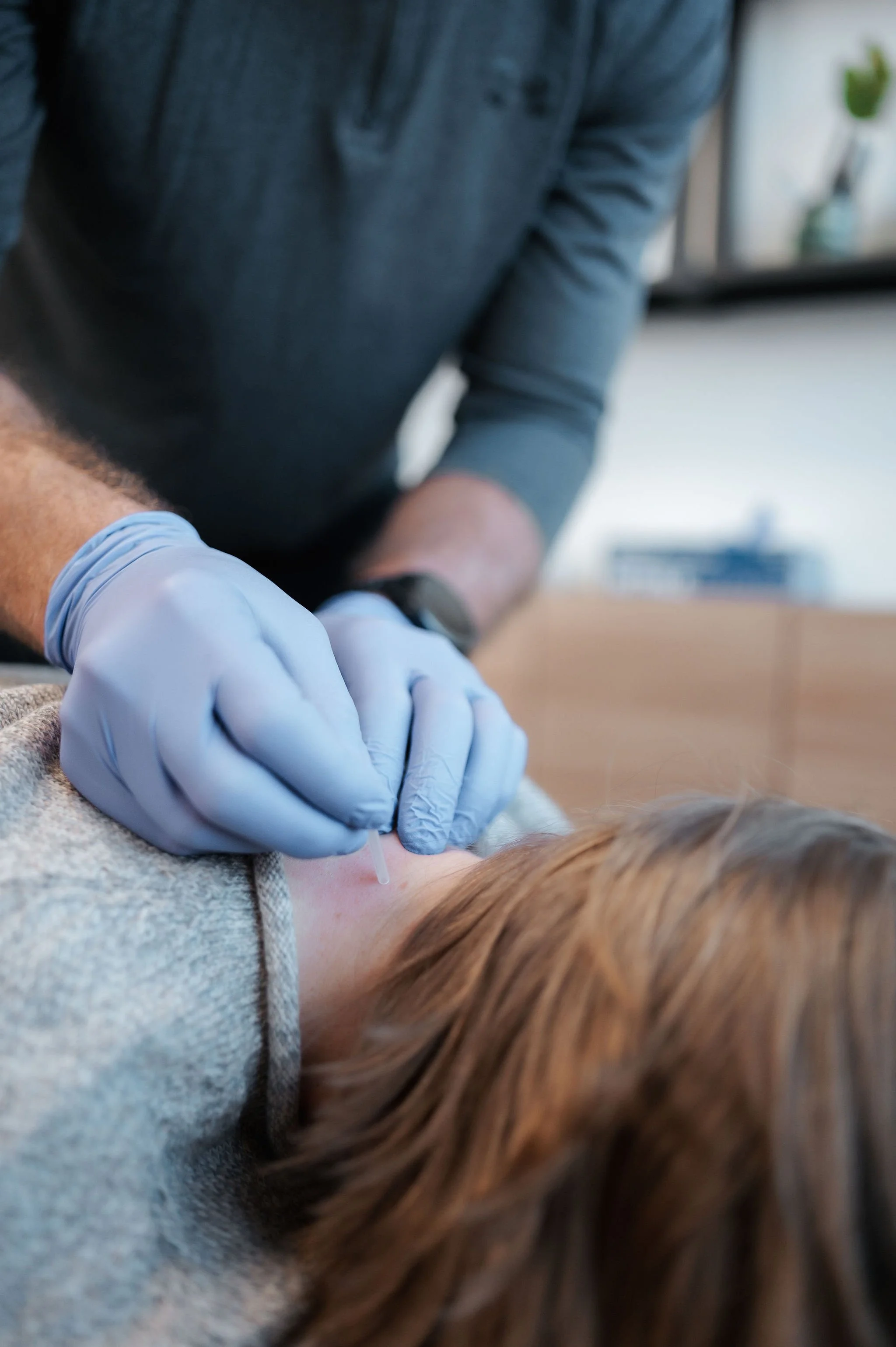
Dry needling is a skilled physical therapy technique used to treat muscle pain/tension, movement dysfunction, and neuromuscular impairments. It involves the use of a very thin, solid monofilament needle that is inserted into specific areas of muscle and connective tissue to reduce pain, restore mobility, and improve function.
Unlike injections or acupuncture, dry needling does not involve medication and is based on modern anatomy, biomechanics, and pain science.
IAOM-Style Dry Needling: Precision Care, Not Just Needles
At my clinic, dry needling is performed using the IAOM (International Academy of Orthopedic Medicine) approach, which emphasizes clinical reasoning, anatomy, and movement quality—not just placing needles where it hurts.
Dry needling is never used as a stand-alone treatment. Instead, it’s one tool within a comprehensive orthopedic and sports rehabilitation plan designed to help you move better, feel stronger, and return to what you love doing.
What Makes IAOM-Style Dry Needling Different?
Unlike some other dry needling approaches that focus only on pain points, IAOM-style dry needling targets the root cause of dysfunction by addressing how muscles, joints, and movement patterns work together.
Physical therapist training includes:
Identifying specific trigger points and dysfunctional tissues
Understanding why those tissues became overloaded or painful
Integration of needling with manual therapy, corrective exercise, and movement retraining
This ensures results that last—not just temporary relief.
What Does Dry Needling Help With?
IAOM-style dry needling is commonly used to improve:
Muscle tightness and trigger points
Joint stiffness and restricted movement
Tendon irritation and overuse injuries
Athletic performance limitations
Chronic pain related to poor movement mechanics
It is especially effective when paired with return-to-sport rehab, strength training, and mobility work.
What Does It Feel Like?
Most patients describe dry needling as:
A brief pressure or twitch sensation
Mild soreness similar to post-workout fatigue
A feeling of improved mobility shortly after treatment
We explain every step and adjust the approach to your comfort level.
How We Use Dry Needling in Your Plan of Care
Dry needling may be used to:
Reduce muscle guarding so joints move better
Improve muscle activation before exercise
Restore normal movement patterns
Allow you to train and rehab more effectively
The goal is not dependency on treatment—but progress toward strength, resilience, and confidence in movement.
Is Dry Needling Right for You?
Dry needling may be appropriate if you:
Have lingering pain or stiffness
Feel “stuck” despite stretching or exercise
Are returning to sport after injury
Want a more precise, orthopedic-based approach to care
Your physical therapist will determine if dry needling fits your goals, condition, and comfort level.